EV Car Charging System Engineering
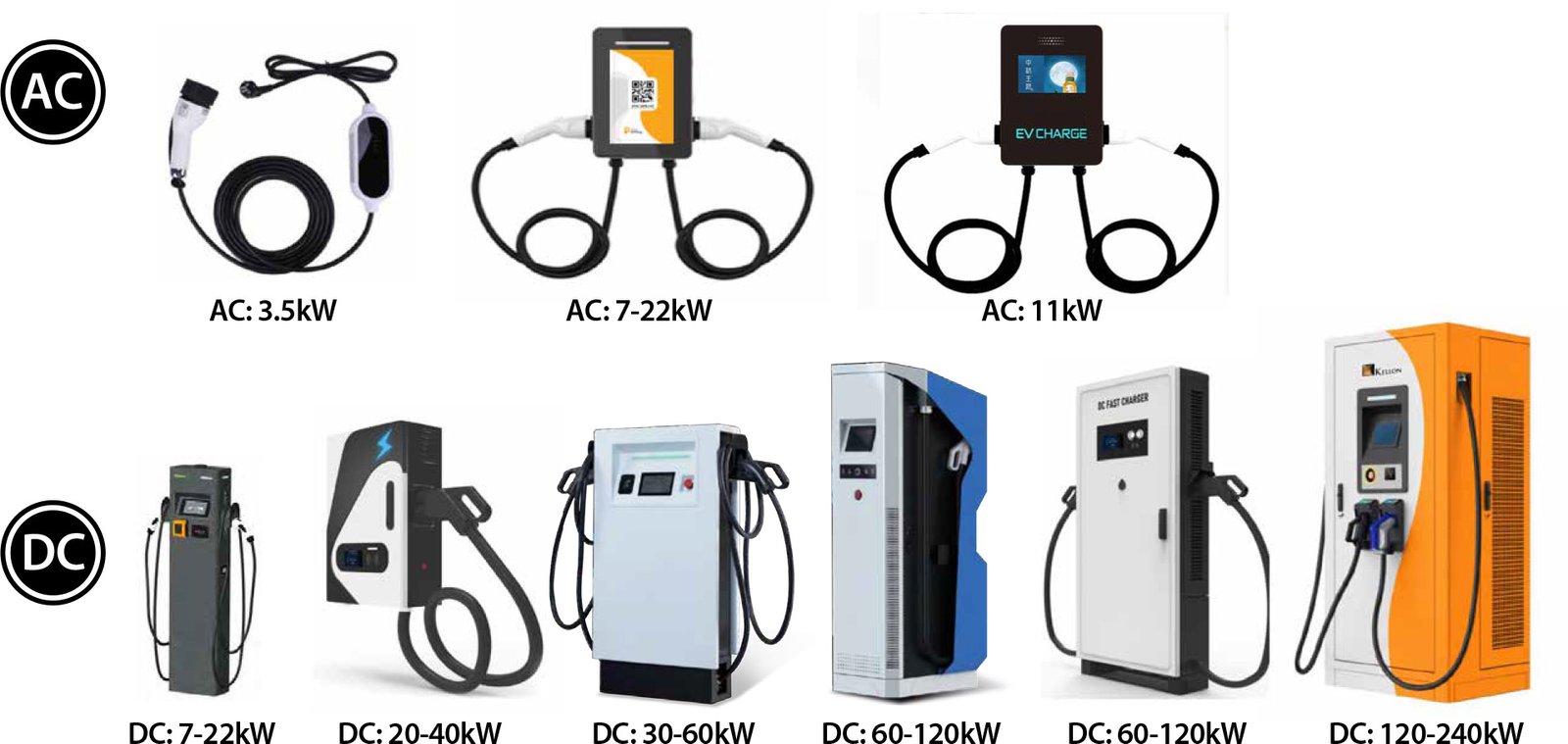
With the increasing prevalence of electric vehicles in Hong Kong, we have recently launched EV charging system engineering services. These services include providing charging system hardware, installation, mobile software platform development, payment model setup, and maintenance. Our system installations adhere to the technical safety guidelines of the Electrical and Mechanical Services Department (EMSD). The operating modes are mainly divided into two categories: AC charging (slow charging) and DC charging (fast charging). We offer a variety of charging systems (slow and fast charging) to meet different charging power requirements, compatible with our proprietary mobile software platform.
We provide a range of EV charging system solutions. Simply communicate your charging system needs to our professional team, and we will create a customized solution to save you energy and money, allowing you to focus on your daily business.
EV Car Charging Station Load Balancing System
An electric vehicle charging station load balancing system, also known as an energy management system (EMS), is a key technology that ensures that multiple electric vehicles charging simultaneously do not cause power outages in buildings or the power grid.
1. Core Principle
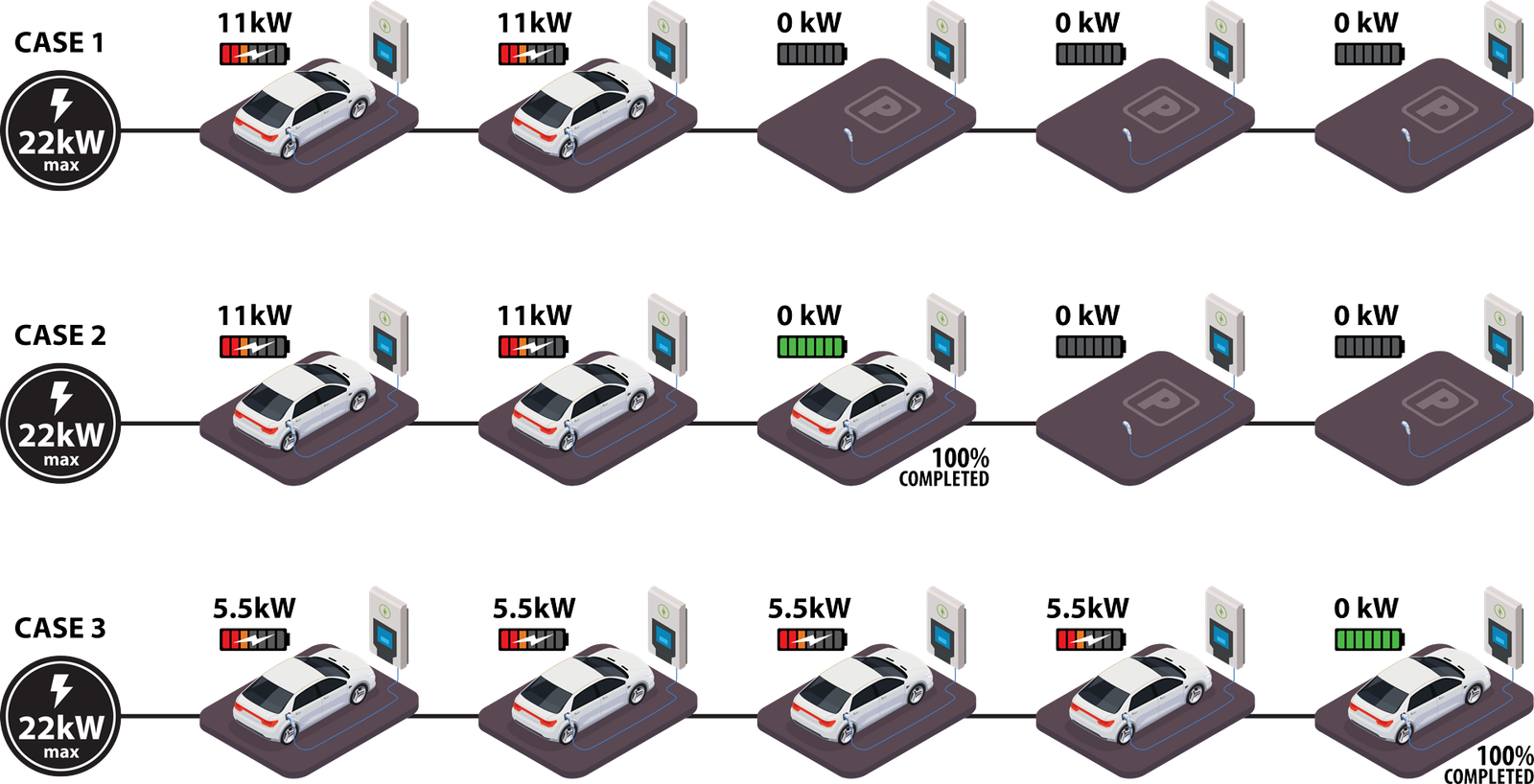
This system acts like a “smart brain,” using software algorithms to monitor the total real-time charging demand and allocate the remaining available output power to other charging stations. When the total load approaches the power supply limit, the system automatically reduces the output power of some charging stations; when the power consumption of other charging stations decreases, the charging power is restored.
2. Main Classifications
Static Load Balancing: Distributes a fixed total power evenly among the connected charging stations. For example, if the power supply limit is 22kW, and there are 2 vehicles, each vehicle receives a fixed 11kW.
Dynamic Load Balancing: Monitors the power consumption of connected charging stations in real time. If an electric vehicle is fully charged, the system will allocate the power supplied to that vehicle to other charging stations, making more efficient use of power capacity.
3. System Advantages
Prevents Power Outages: Prevents excessive load caused by multiple vehicles charging simultaneously, protecting the safety of power infrastructure.
Cost Savings: Eliminates the need for costly upgrades to community or factory power grid wiring.
Efficiency Allocation: Allows for setting priorities (e.g., VIP, charging vehicles about to leave first), etc.
EV Car Charging Equipment
Our EV Car charging station equipment complies with the technical safety guidelines of the Electrical and Mechanical Services Department (EMSD). The operating modes are mainly divided into two categories: AC charging (slow charging) and DC charging (fast charging). We offer a variety of models of charging station equipment (slow and fast charging) to meet different charging capacity requirements of our customers.
EV Car Charging App
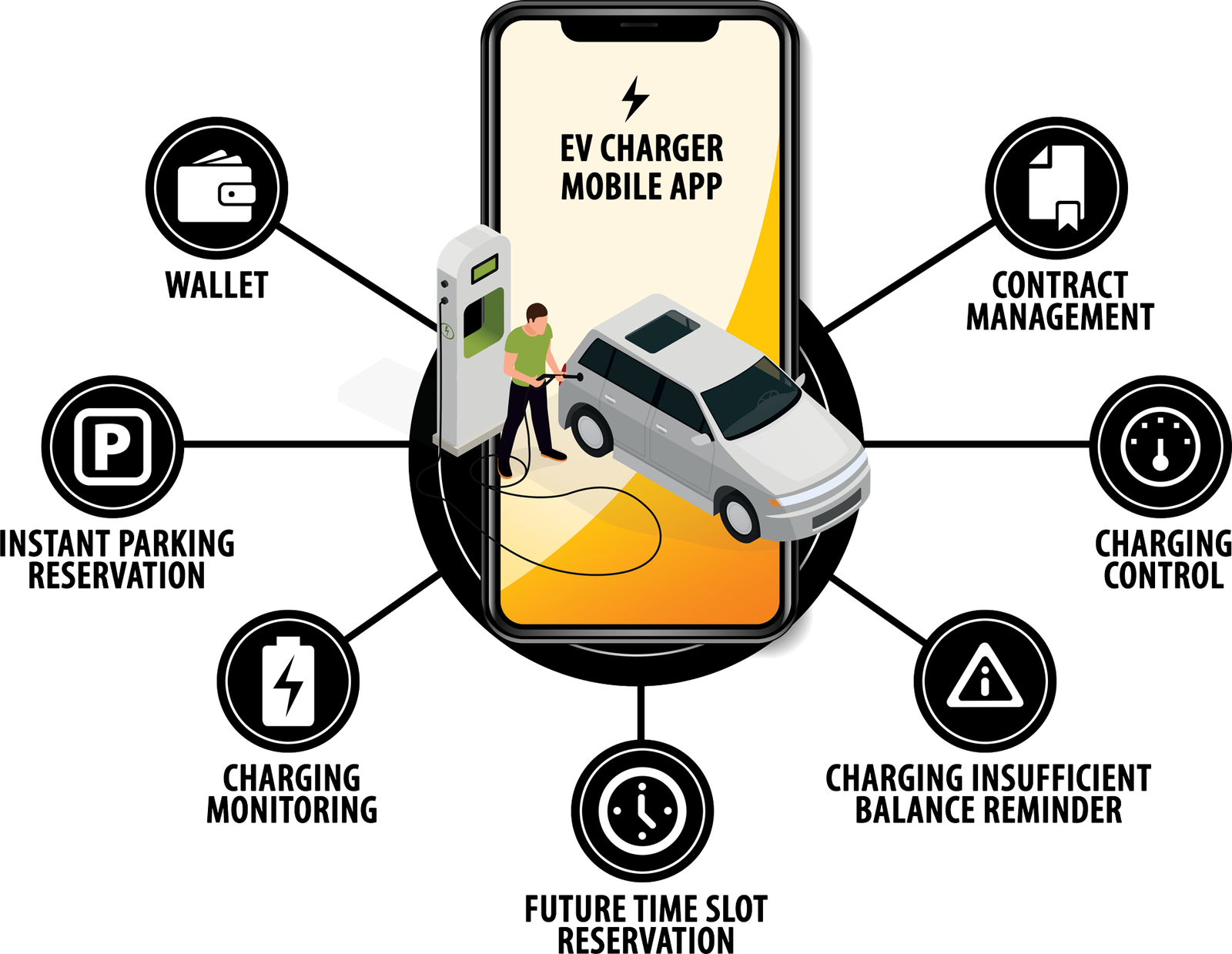
In the electric vehicle usage environment, charging apps are no longer just tools for finding charging stations, but also core tools for managing vehicle usage efficiency. Below are the four core uses of electric vehicle charging apps:
Real-time Station Search and Navigation: This is the most basic and important function. Vehicle owners can use the app for precise filtering, selecting available stations based on their vehicle’s connector type (e.g., CCS1, CCS2, TPC).
Status Preview: Real-time display of whether a charging station is “idle,” “in use,” or “under maintenance,” avoiding wasted trips.
Route Planning: For long trips, the app automatically suggests charging stations to stop at based on remaining battery power.
Charging Start: Charging stations can be operated via the app.
Scan to Start: Scan the QR code on the charging station to unlock the charging gun and begin charging.
Digital Payment: Automatic deduction and electronic invoice sent after charging.
Prepaid Discounts: Discounts on prepaid balances or electricity usage are offered through the app.
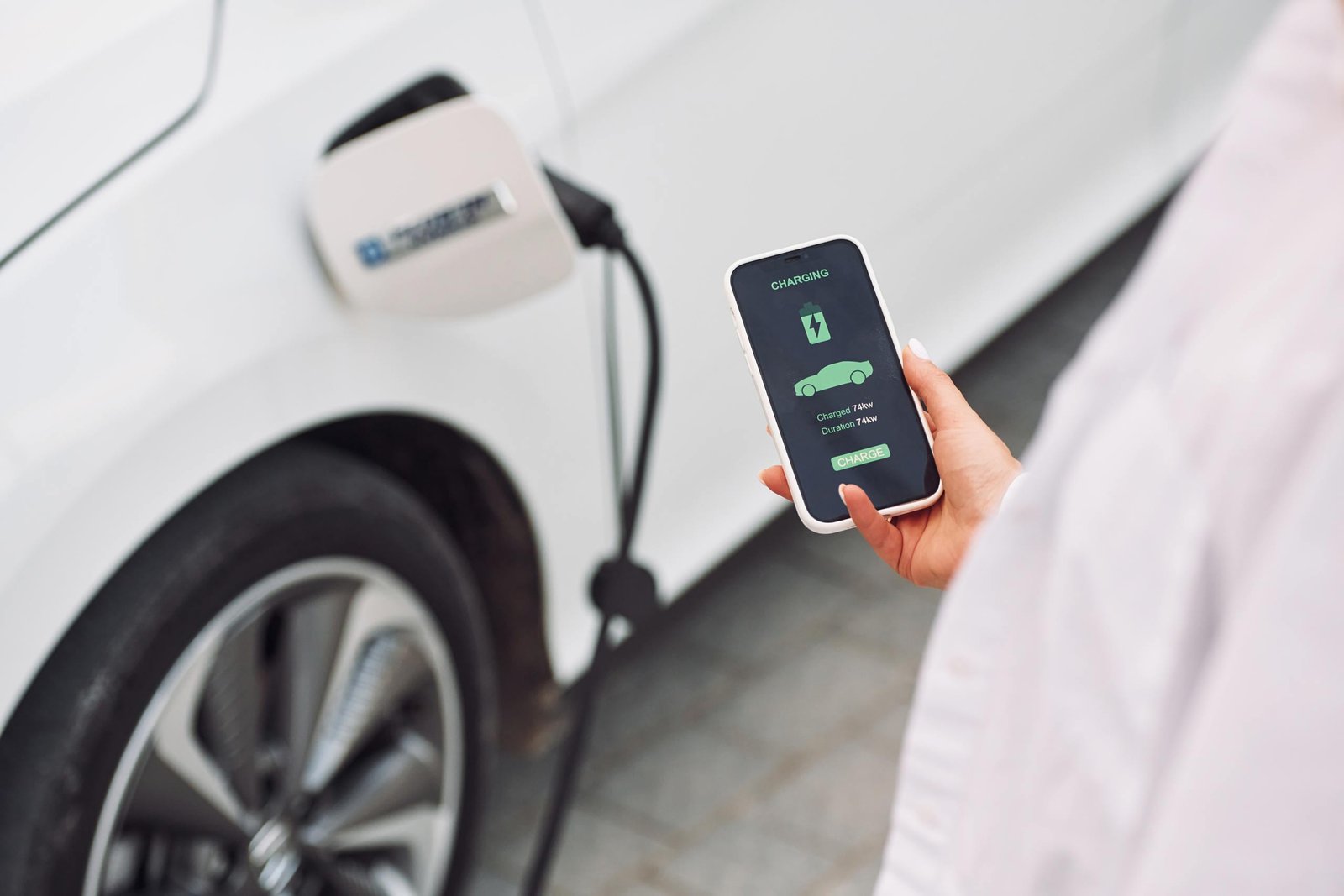
Real-time monitoring and notifications: Owners don’t need to stay in their vehicles during charging; they can monitor the charging progress, view the real-time battery percentage (%), charging power (kW), and estimated full charge time via a mobile app.
Abnormal alerts: If charging is interrupted due to power failure or human error, the mobile app will immediately send a push notification.
Full charge reminders: Reminds owners to move their vehicles promptly to avoid costly “occupancy fees.”
Charging records and big data management: For owners concerned about car maintenance costs, the mobile app provides detailed data reports.
EV Car Charging & Parking Booking System
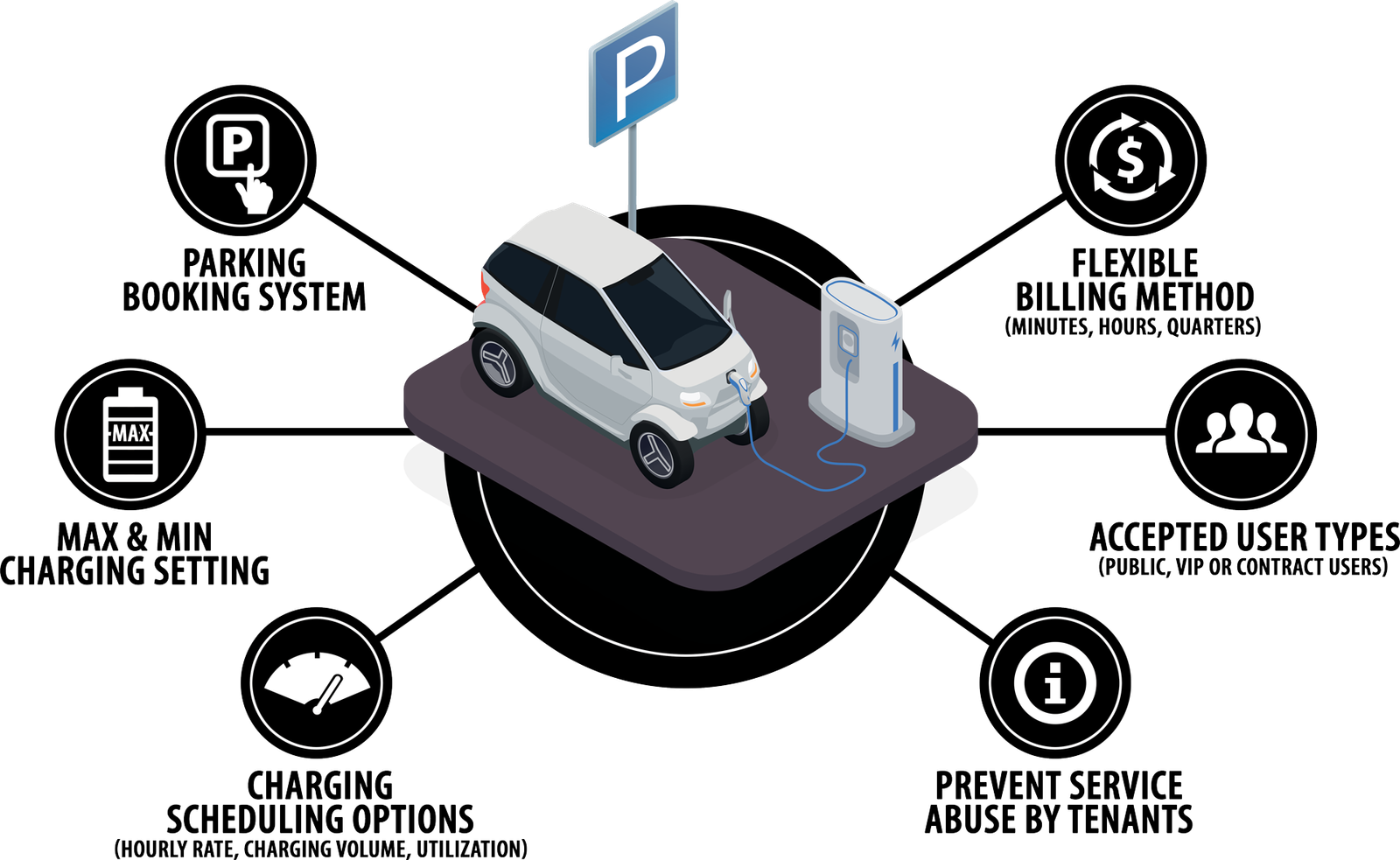
The EV Car charging & parking booking system is a core function of smart parking systems, designed to solve the problems of occupied charging spaces and long queues.
The real-time parking reservation system and charging scheduling management allow drivers to reserve specific dates and times in advance via an app. The system automatically allocates available charging stations, preventing situations where no charging space is available upon arrival.
Automated parking space control, combining license plate recognition and parking locks, allows only reserved vehicles to enter and guides them to the correct location.
Charging plan options allow setting hourly rates, billing amounts, usage limits, and load balancing functions, including maximum and minimum charging settings based on power consumption. It also automatically adjusts charging power based on electrical load to prevent power overload or power outages.
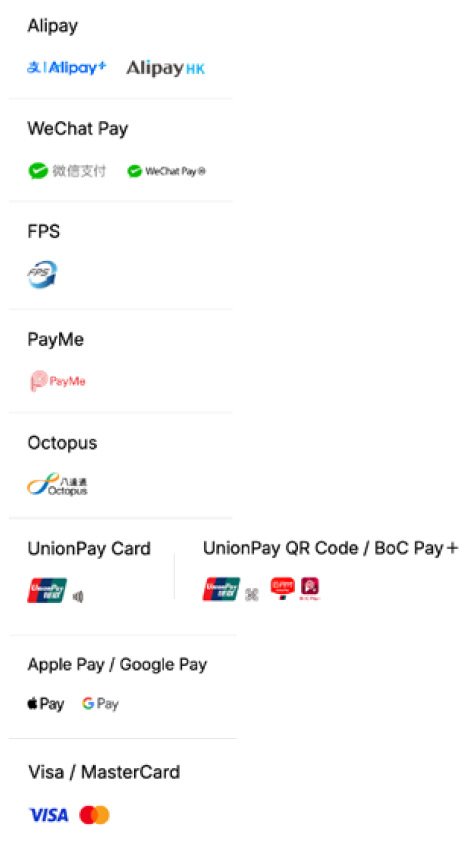
Flexible billing methods allow for setting billing by minute, hour, or quarter, supporting various payment methods such as credit cards and electronic payments. Users can view charging progress, electricity costs, and estimated completion time in real-time on their mobile devices.
Accepted user types can be set, such as public users, VIP users, or contract users.
Penalties for exceeding charging and parking time limits can be set to prevent tenant abuse of the service.